
 March 10, 2026 1:35 am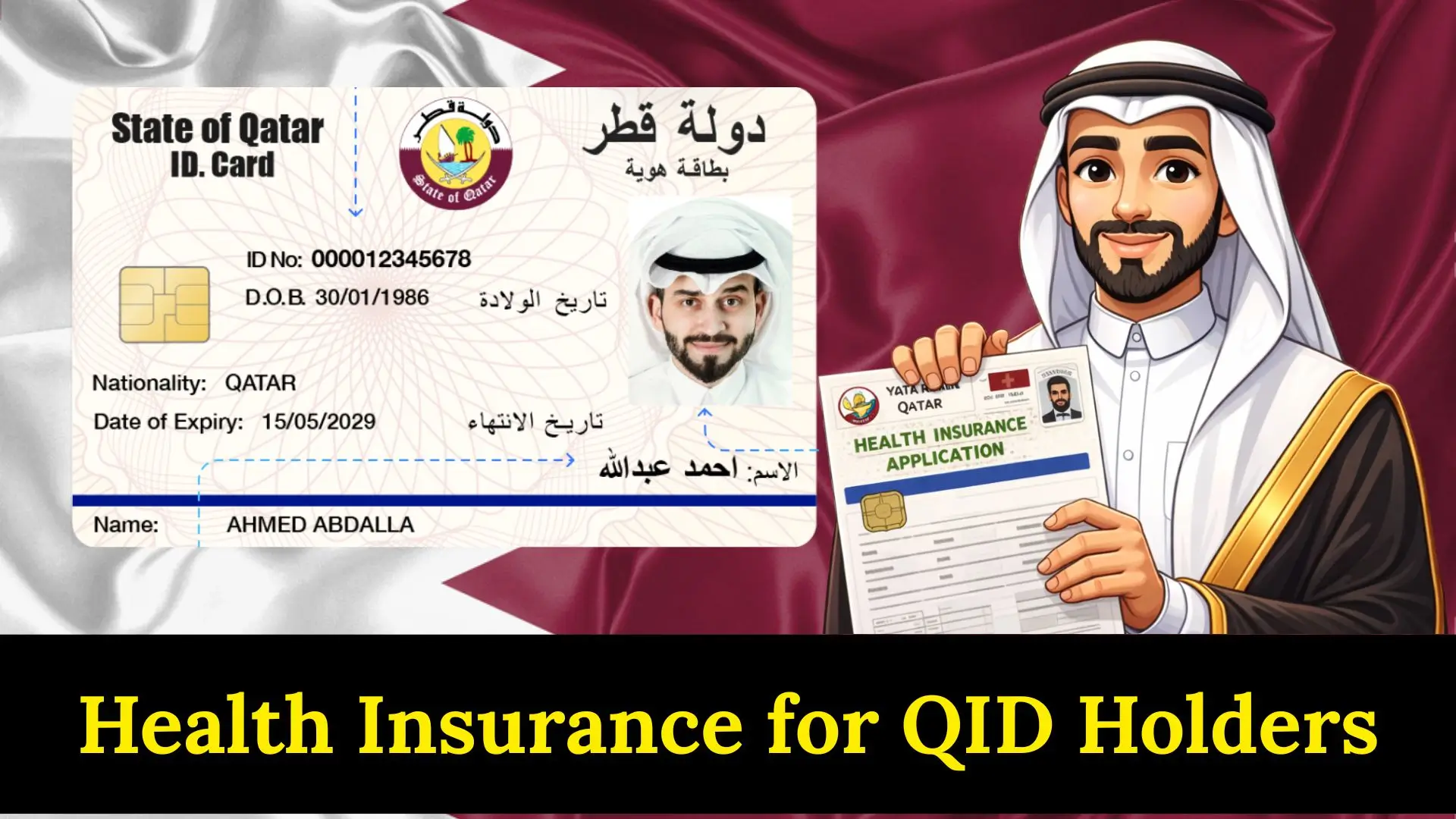
Health insurance for QID holders is one of the most important financial decisions any expatriate or resident in Qatar will make. Whether you just received your Qatar ID or you’re renewing your residency, understanding your health coverage options directly affects your access to quality medical care.
Qatar has one of the fastest-growing healthcare systems in the Gulf region. According to the Ministry of Public Health (MoPH) Qatar, all residents, including QID holders, are required to have valid health insurance to access public and private healthcare services legally and affordably. This guide breaks down every plan, provider, cost, and step you need, clearly and without confusion.
What Is Health Insurance for QID Holders?
A QID (Qatar Identification Document) is the official residency ID issued to all expatriates and long-term residents in Qatar. Any person holding a QID, whether on a work visa, family sponsorship, or investor residency, is entitled to, and in most cases required to hold, valid health insurance.
Health insurance under Qatar’s framework is governed by the National Health Insurance Company (Seha), which oversees the mandatory health insurance scheme for private-sector workers and their dependents.
Is Health Insurance Mandatory for QID Holders in Qatar?
Yes, Qatar Labour Law No. 14 of 2004 and subsequent health regulations make it the employer’s legal responsibility to provide health insurance for expatriate workers. For family-sponsored QID holders (spouse, children), the sponsor is responsible for coverage.
Here’s how it breaks down by category:
- Private-sector employees: Employer must provide Seha-compliant health insurance
- Government employees: Covered under the government health scheme via Hamad Medical Corporation (HMC)
- Family visa holders (dependents): Covered by the sponsor/employer’s plan or a separate family plan
- Self-employed / investors: Must purchase private health insurance independently
- Domestic workers: Employer is legally required to insure them under Qatar’s domestic worker regulations
For authoritative details, refer to the official Qatar Ministry of Public Health portal: https://www.moph.gov.qa
Top Providers Offering Health Insurance for QID Holders
Choosing the right insurer matters enormously. Here are the most widely used and trusted providers in Qatar:
- 1. Seha (National Health Insurance Company) Qatar’s mandatory insurance scheme. Covers primary, secondary, and emergency care. Accepted at all government and most private facilities.
- 2. BUPA Qatar A popular international insurer with comprehensive plans. Ideal for families and senior residents needing specialist care and dental coverage.
- 3. Daman Health (now part of Hayat) Offers flexible plans for individuals and groups. Strong network across Qatar.
- 4. QIC (Qatar Insurance Company) One of the oldest insurers in the country. Offers both basic and premium tiers for QID holders.
- 5. Al Khaleej Takaful Sharia-compliant insurance option. Competitive pricing for individual and family plans.
- 6. MedGulf Qatar Regional insurer with Qatar-specific plans for corporate clients and individuals alike.
- 7. AXA Gulf International-grade coverage with global evacuation, dental, optical, and mental health add-ons.
Top Health Insurance Providers for QID Holders
| Provider | Monthly Est. Cost (QAR) | Network Size | Family Plans | Dental/Optical | Best For |
|---|---|---|---|---|---|
| Seha | 50–150 | Very Large | Yes | Basic | All QID holders (mandatory) |
| BUPA Qatar | 300–900 | Large | Yes | Yes | Families & expats |
| Daman Health | 200–700 | Medium-Large | Yes | Optional | Individuals |
| QIC | 150–500 | Large | Yes | Optional | Budget-conscious residents |
| Al Khaleej Takaful | 120–450 | Medium | Yes | No | Takaful seekers |
| AXA Gulf | 400–1200 | International | Yes | Yes | Premium/global coverage |
Costs are approximate and vary based on age, coverage level, and number of dependents.
How to Get Health Insurance as a QID Holder (Step-by-Step)
Follow these steps to secure valid health insurance in Qatar:
- Step 1: Determine Your Category Are you an employee, dependent, investor, or domestic worker? Your category defines your legal obligation and who pays for coverage.
- Step 2: Check Employer Provision If you’re a private-sector worker, your employer is legally required to enroll you. Confirm this through your HR department or your Hamad Health Card status.
- Step 3: Choose a Provider (If Self-Purchasing) Compare plans from BUPA, QIC, Daman, or AXA based on your budget, age, and medical needs.
- Step 4: Submit Required Documents Typically required documents include:
- Valid QID copy
- Passport copy
- Recent passport-size photo
- Sponsor’s QID (for dependents)
- Employment contract (for corporate plans)
- Step 5: Complete Application Apply online through the insurer’s portal, through an authorized broker, or in person at their Qatar office.
- Step 6: Receive Your Health Card Upon approval, you’ll receive a physical or digital health card. This is presented at clinics and hospitals for cashless treatment.
- Step 7: Register on Seha or MoPH Portal Register your insurance on the Qatar Ministry of Public Health portal to ensure your QID and insurance are linked.
Benefits & Drawbacks of Health Insurance Plans for QID Holders
Benefits
- Access to Quality Care: Insured QID holders can access over 250+ private and public facilities across Qatar
- Cashless Treatment: Most insurers offer direct billing at network hospitals, meaning no upfront payment
- Mandatory Compliance: Keeps your QID renewal process smooth — uninsured residents face administrative issues
- Family Protection: Plans extend to spouse and children, covering everything from pediatric care to maternity
- Preventive Coverage: Many plans include annual checkups, vaccinations, and chronic disease management
- Emergency Coverage: 24/7 emergency treatment is covered even outside your usual network in urgent cases
Drawbacks
- Cost for Dependents: Insuring a family of four can cost QAR 800–2,500+ per month depending on the plan
- Network Restrictions: Basic Seha or budget plans may restrict you to certain clinics only
- Waiting Periods: Some plans have 30–90 day waiting periods for pre-existing conditions
- Exclusions: Cosmetic surgery, fertility treatments, and some dental procedures are often excluded
- Plan Complexity: Understanding what’s covered vs. excluded requires careful reading of the policy document
Common Mistakes For Health Insurance for QID Holders
Avoiding these errors can save you thousands of riyals and significant stress:
- Assuming Employer Coverage Is Comprehensive: Many employers provide only the minimum Seha-mandated plan. This may not cover dental, optical, or specialist referrals without extra out-of-pocket costs. Always review your policy document.
- Not Registering Dependents in Time: Failing to add a newborn or newly arrived family member promptly can leave them uncovered. Most insurers require registration within 30 days of arrival or birth.
- Using Out-of-Network Facilities Without Checking: Visiting a hospital or clinic outside your insurer’s approved network results in full out-of-pocket costs or reimbursement claims. Always verify the network first.
- Ignoring Policy Renewal Dates: Health insurance must be renewed alongside your QID. Letting it lapse, even for a few days, can cause QID renewal delays.
- Choosing the Cheapest Plan Without Reading Exclusions: A QAR 80/month plan may exclude exactly the condition you need treated. Read the fine print carefully before signing.
- Not Keeping a Copy of the Insurance Card: Always carry your health card (physical or on your phone). Without it, even covered treatments may require full upfront payment pending reimbursement.
FAQ About Health Insurance for QID Holders
Q 1: Is health insurance mandatory for all QID holders in Qatar?
Yes. Qatar law mandates that all private-sector employees and domestic workers are insured by their employer. Dependents and investors must also hold valid insurance, either through the sponsor’s plan or an independent policy.
Q 2: What does health insurance for QID holders typically cover?
Standard plans cover outpatient consultations, emergency treatment, hospitalization, diagnostics, and prescribed medications. Premium plans add dental, optical, maternity, and mental health services.
Q 3: How much does health insurance cost for a QID holder in Qatar?
Basic plans start around QAR 50–150/month per person under Seha. Private plans from BUPA, AXA, or QIC range from QAR 200–1,200/month depending on age, coverage tier, and number of dependents.
Q 4: Can I buy my own health insurance as a QID holder if my employer doesn’t provide it?
Yes. If your employer fails to provide insurance (which is illegal), or if you are self-sponsored, you can purchase directly from licensed insurers in Qatar or through an authorized insurance broker.
Q 5: What happens if a QID holder doesn’t have health insurance?
Without valid insurance, you’ll pay full consultation and treatment costs out of pocket at private hospitals. Additionally, lacking insurance can complicate your QID renewal process and may result in employer penalties under Qatar labor law.
Conclusion
Health insurance for QID holders in Qatar is essential for legal residency and quality healthcare access. Compare plans, confirm employer coverage, and register with MoPH. Act today the right plan protects your health, your family, and your QID renewal without any disruption.

Farhana Oberson 
Hi, I’m Farhana Oberson, the writer behind https://qataridcherckqa.com/ . I create simple guides about Qatar ID checks, visa services, and government procedures. My goal is to help residents and expats quickly understand official processes and complete their tasks without confusion.

